

article
Behind the Scenes at COP30: The Birth of a New Carbon Market

Managing Partner Correggio Consulting BV (Brussels) Founder-CEO CorreggioNET │ Managing Director, REMITREP Services BV (Amsterdam) │ Founder ZETA (Zero Emissions Traders Alliance) (Abu Dhabi)
After many UN climate summits, many setbacks, and falling short of goals, there have been rising doubts about whether the COP process remains relevant. But a lot happened in Brazil to show progress.
It’s true that when the summit came close, it fell short of creating a consensus ‘road map’ away from fossil fuels, which is much needed. But the so-called ‘COP of implementation’ showed some serious financial commitments.
$1 trillion for renewable electrical grids and energy storage, biofuels, and industrial decarbonization in developing countries
$5.5 billion toward a fund to pay countries for forest conservation
new vehicles to spur governments’ investment, such as a ‘global implementation accelerator’
117 “action agenda” items for companies to put pledges into action
It’s important to put COPs into perspective as one important part of a wide array of actions on climate change. A lot of money is flowing into new energy; indeed, twice the amount that is flowing into long-term investment in fossil fuels.
As the saying goes, ‘money talks,’ and at the heart of this movement are markets.
Big news for carbon markets
At COP30, governments took major steps toward operationalizing the UN carbon market established under Article 6.4 of the Paris Agreement, known as the Paris Agreement Crediting Mechanism (PACM). The mechanism itself was created earlier; however, COP29 and COP30 together have clarified the rulebook and set the path for implementation.
PACM is a centralized crediting mechanism that is intended to succeed the Clean Development Mechanism (CDM). The CDM is now being wound down, with a transition window for eligible projects to transfer to the new system. Although debate continues over the environmental integrity and future role of legacy CDM credits.
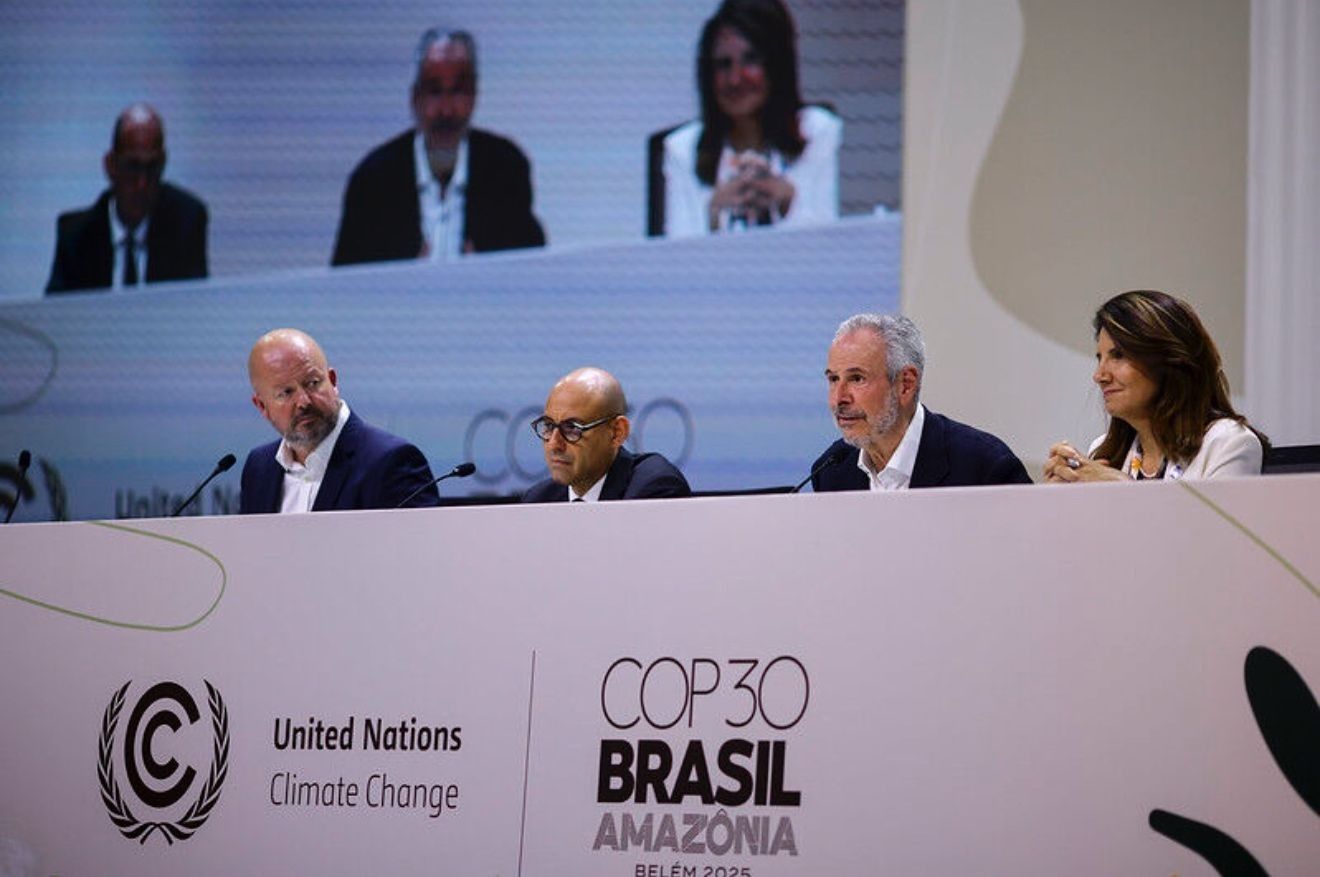
The PACM mechanism is overseen by the Article 6.4 Supervisory Body, which develops and approves methodologies, registers activities, accredits verification entities, and manages the dedicated Article 6.4 registry. Unlike the more flexible, largely bilateral arrangements under Article 6.2, PACM is designed as a standardized UN market framework for generating and transferring emission reductions and removals between countries and other authorized entities.
A key recent milestone is the approval of the first PACM methodology, covering the capture and flaring or use of landfill gas. This provides the first Paris-aligned, UN-backed rules for crediting methane reductions from landfill projects and is expected to be followed by additional methodologies in 2026.
If implemented robustly, PACM could grow into a very large segment of global carbon markets. Its real significance, however, lies in its potential to anchor high-integrity standards and methodologies that influence both compliance and voluntary markets worldwide—though observers also caution that strong safeguards and conservative baselines will be essential to avoid repeating CDM-era shortcomings.
A market for a century
In a related piece of good news, it was announced that the EU will allow up to 5% of its 2040 climate target to be met through Article 6 credits. This encompasses an estimated 144 million credits, worth €7–30 billion from the mid-2030s.
So the market demand in the UN market is now being created. This demand should continue to grow as carbon markets become increasingly relevant.
To put it in perspective, it’s important to remember that the Paris Agreement is designed for the 21st century. It requires decades to achieve balance between emissions and removals and then actual net removal of greenhouse gases in the second half of this century.
The new UN carbon market will require continuous commitment to achieving the highest standards in the production and trade of credits. But with the right supervision and leadership, it should stand at the center of climate action for years to come.
ZETA on the Ground at COP30
ZETA was in Brazil to witness the COP30 climate conclave and had the privilege of hosting a session at the Turkish Pavilion titled “Building Green Markets for the Energy Transition: Regional Pathways and Cooperation.” The discussion, moderated by Kutalmış Ersoy, ZETA Secretary for Türkiye, brought together perspectives on how regional collaboration can shape the next wave of carbon and clean energy markets.
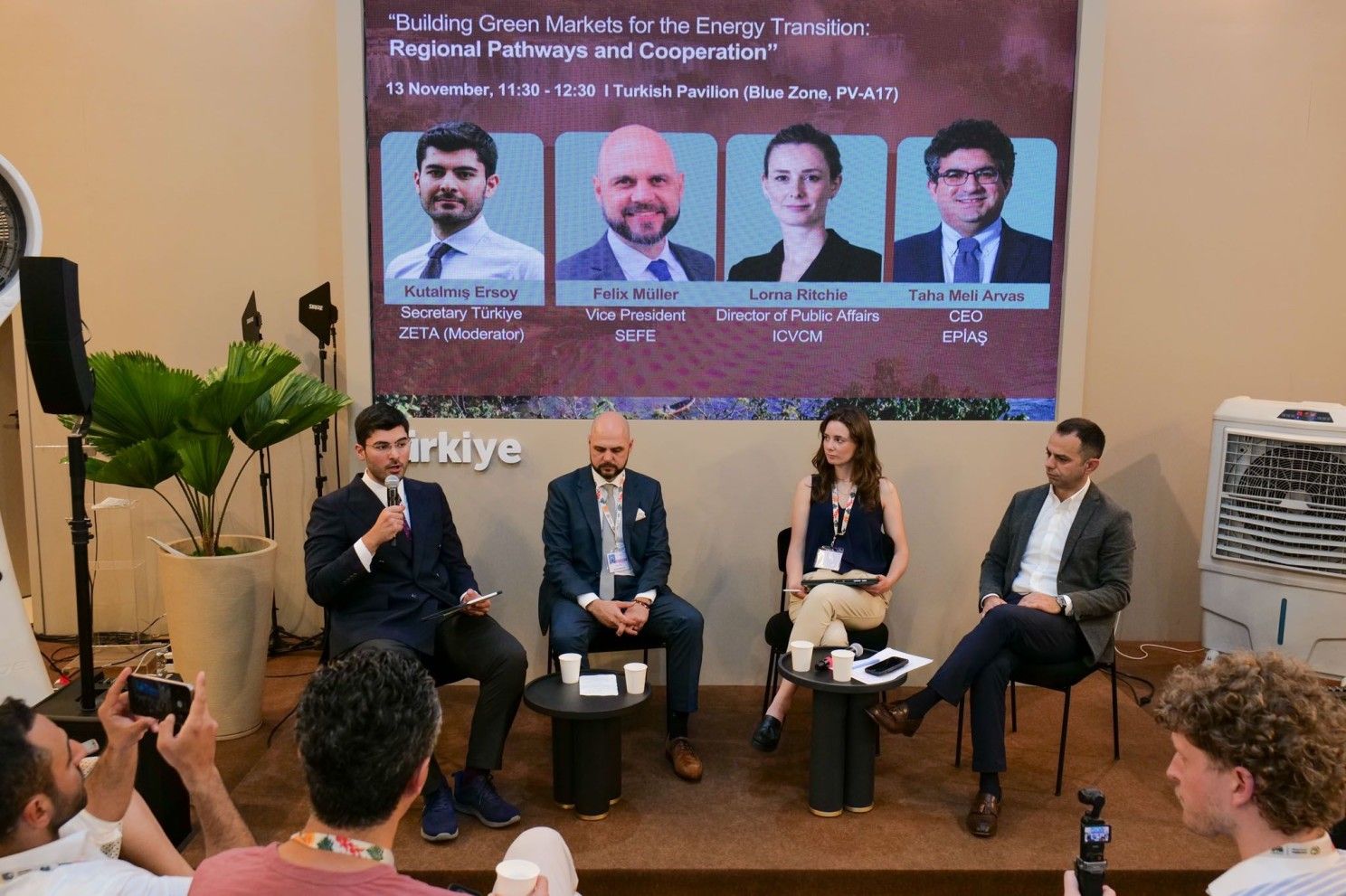
Key takeaways included:
Türkiye’s forthcoming ETS is well-positioned to align with international market practices, strengthening credibility from day one.
Transparency and integrity are becoming decisive drivers of confidence in emerging carbon markets.
The EU’s openness to international credits could enable deeper regional cooperation and market linkage.
Constructive engagement between the Global North and Global South offers real potential for shared climate and economic value.
COP31: A Consensus Decision and a New Role for Türkiye
It is decided that COP31 will be hosted in Antalya, Türkiye, following a consensus-based agreement that balanced the priorities of all negotiating parties. Under this arrangement, Pre-COP will be held in one of the Pacific Island states, Australia will take a role within the COP31 Presidency for negotiation purposes, and Türkiye will host the main event while also serving as part of the Presidency team.
This outcome reflects a diplomatic process shaped by compromise and constructive engagement rather than confrontation. As Kutalmış Ersoy, ZETA Secretary for Türkiye, observed from the ground:
“My main takeaway from being on the ground is that these negotiations clearly favored consensus. Both Türkiye and Australia remained firm in their positions, yet the process ultimately produced a balanced solution that addressed the core priorities of all sides. This is a strong reminder that climate diplomacy is not a zero-sum game; it can be genuinely positive-sum, where different interests are recognized and aligned. Despite disagreements, the climate diplomacy community sent a clear signal in support of multilateralism.”
This decision also reinforces the message that COP30 is not an isolated moment but part of an ongoing diplomatic continuum. Maintaining momentum between summits will be essential to turning commitments into real progress.
Let’s see what next year will bring.
Follow us on LinkedIn:
For updates on energy compliance with European regulation and market rules; CorreggioNET
For expert consultancy with compliance strategy, legal risk, and governance; Correggio Consulting Ltd
For energy compliance with REMIT representation requirements per REMIT II; REMITREP Services
For updates on sustainability and clean energy market developments in MENA and beyond; ZETA (Zero Emissions Traders Alliance)