
article
Energy Déjà-Vu: Governments Discover Markets… Again

Managing Partner Correggio Consulting BV (Brussels) Founder-CEO CorreggioNET │ Managing Director, REMITREP Services BV (Amsterdam) │ Founder ZETA (Zero Emissions Traders Alliance) (Abu Dhabi)
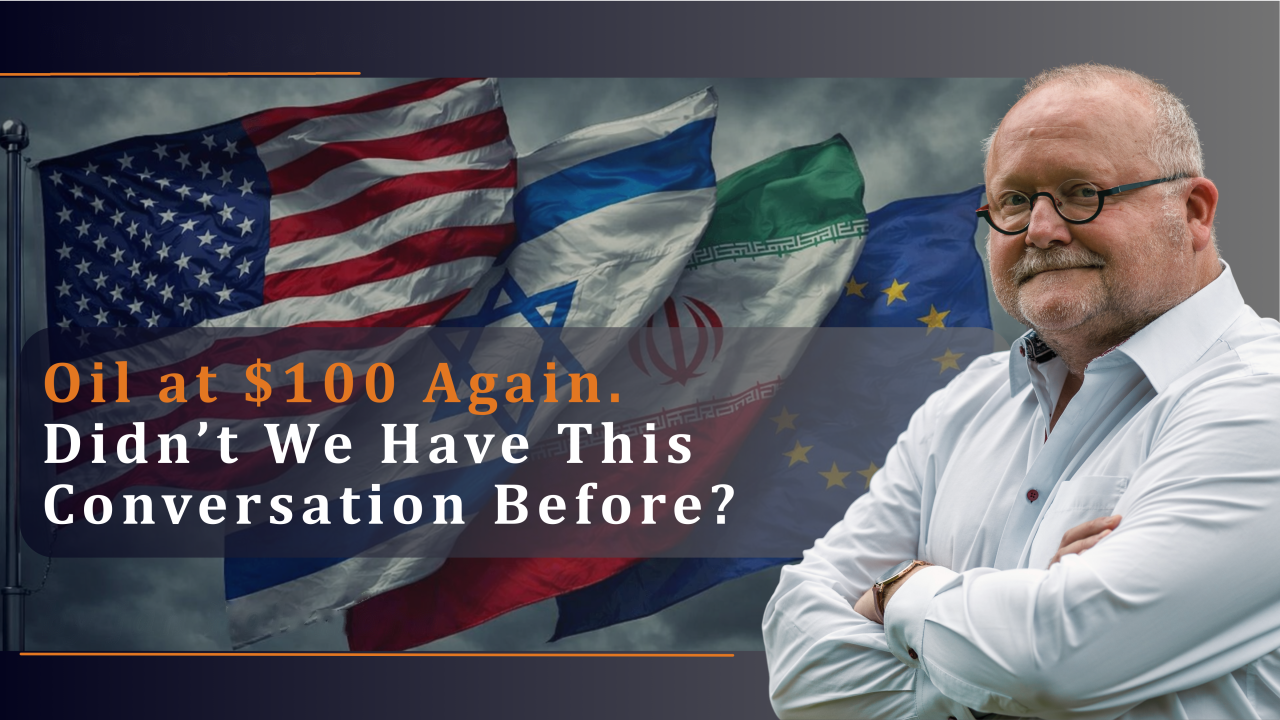
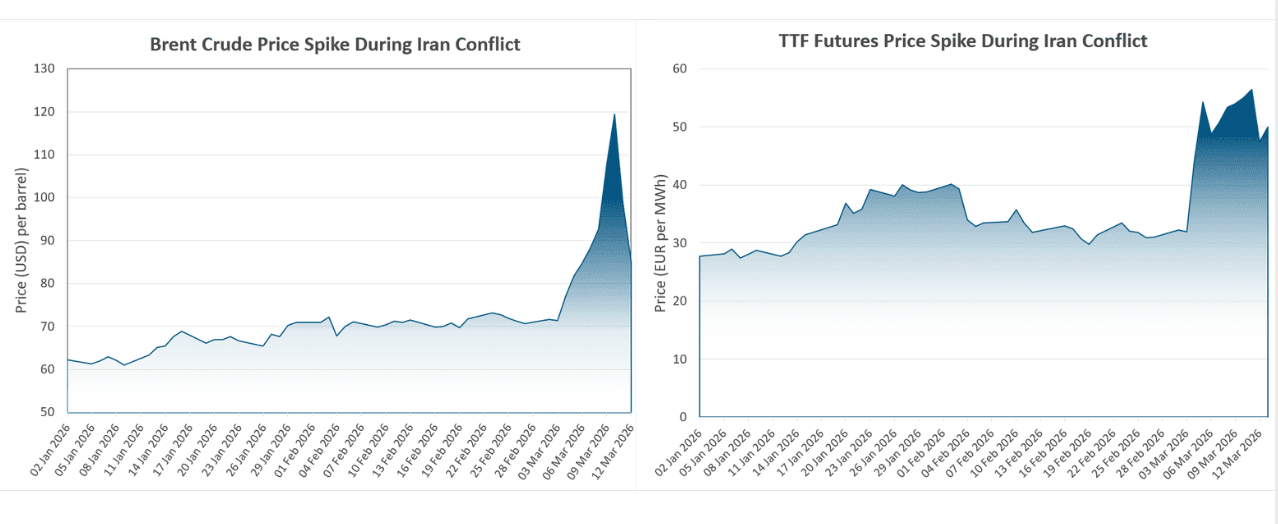
Europe is experiencing a "déjà vu" as oil (and gas) prices reached an all-time high before slipping back to around $100 per barrel in recent days. Similar developments in oil prices always trigger questions about what "measures" EU governments can take to mitigate the impact on our economy. The economic consequences of higher oil prices for the energy prices in the EU are obviously looking at the gas or electricity exchanges. It is not the first time that the EU has looked for policy responses to the challenge of high energy prices, both in the short and the longer terms.
Governments vs Markets: A Familiar Tension
Everyone knows that markets are globally discovered. It is clear that no one is asking the EU Commission or national governments what the right oil/gas price should be. For example, national governments could decrease the tax burden on fuels to relieve end customers. It is common knowledge that 50% of the end customer price of energy represents tax, and the higher the commodity price, the higher the state income. Insofar as the inland revenue could be seen as a windfall profit of current geopolitical tensions. Experience shows that states are not very easily ready to lower tax burden and let associated income go. What else could governments do? The worst government action would be to impose price caps, as this would only lead to energy flowing to other regions.
Sadly, governments only "believe in markets if they produce low prices"; price caps never work; they only add trouble.
Paying the Price of Other People’s Decisions
As the duration of the current conflict between the USA/Israel and Iran is open-ended, the EU is faced with what appears to be a drastic shift in oil supply and demand, leading to permanently higher energy prices.
Without any direct involvement of European decision-makers in the political decision-making of the US / Israeli governments, energy consumers in Europe are left to foot the bill for the unilateral military actions of two governments.
After the non-existent role that Europe was allowed to play in recent Russian/US peace negotiations, while the EU is now footing the Ukrainian bill of support, the current Iran crisis is another display of Europe being an object rather than a subject of geopolitical developments.
Structural Pressure on Industry and the Transition Imperative
Rising prices being handed down through the value chain is contributing to the current economic industrial downturn. Energy cost remains the bedrock for industrial existence. Embarking on the transition towards a low carbon and highly energy-efficient economy is, therefore, more urgent than ever. Only an energy transition combined with more diversified generation would underline long-term structural measures to neutralize the effect of material energy price swings, unpopular with European end customers.
Volatility Is Risk and Opportunity
For energy traders, price volatility opens revenue opportunities, underlining the need to hedge price risks from contracts. Looking at historic examples of extreme market volatility, markets have always performed.
Trading companies would be well advised to screen their contracts and look for unclear wording, as well as tighten their credit controls to manage counterparty risk.
The need to minimize counterparty risk will benefit exchange trading and clearing. Whoever offers clearing services is likely to benefit from a volatile price environment. Looking at the situation in the Middle East, a quick exit does not look likely, which means that energy market participants should buckle their belts—they are in for a bumpy ride.
Follow us on LinkedIn:
For updates on energy compliance with European regulation and market rules; CorreggioNET
For expert consultancy with compliance strategy, legal risk, and governance; Correggio Consulting Ltd
For energy compliance with REMIT representation requirements per REMIT II; REMITREP Services
For updates on sustainability and clean energy market developments in MENA and beyond; ZETA (Zero Emissions Traders Alliance)